
Staff Spotlight4 min read
Thrive’s First Employee
For 25 years, Randy Winston has helped Scholars recognize and realize their potential, from the first days of South Central Scholars to the Thrive of today.
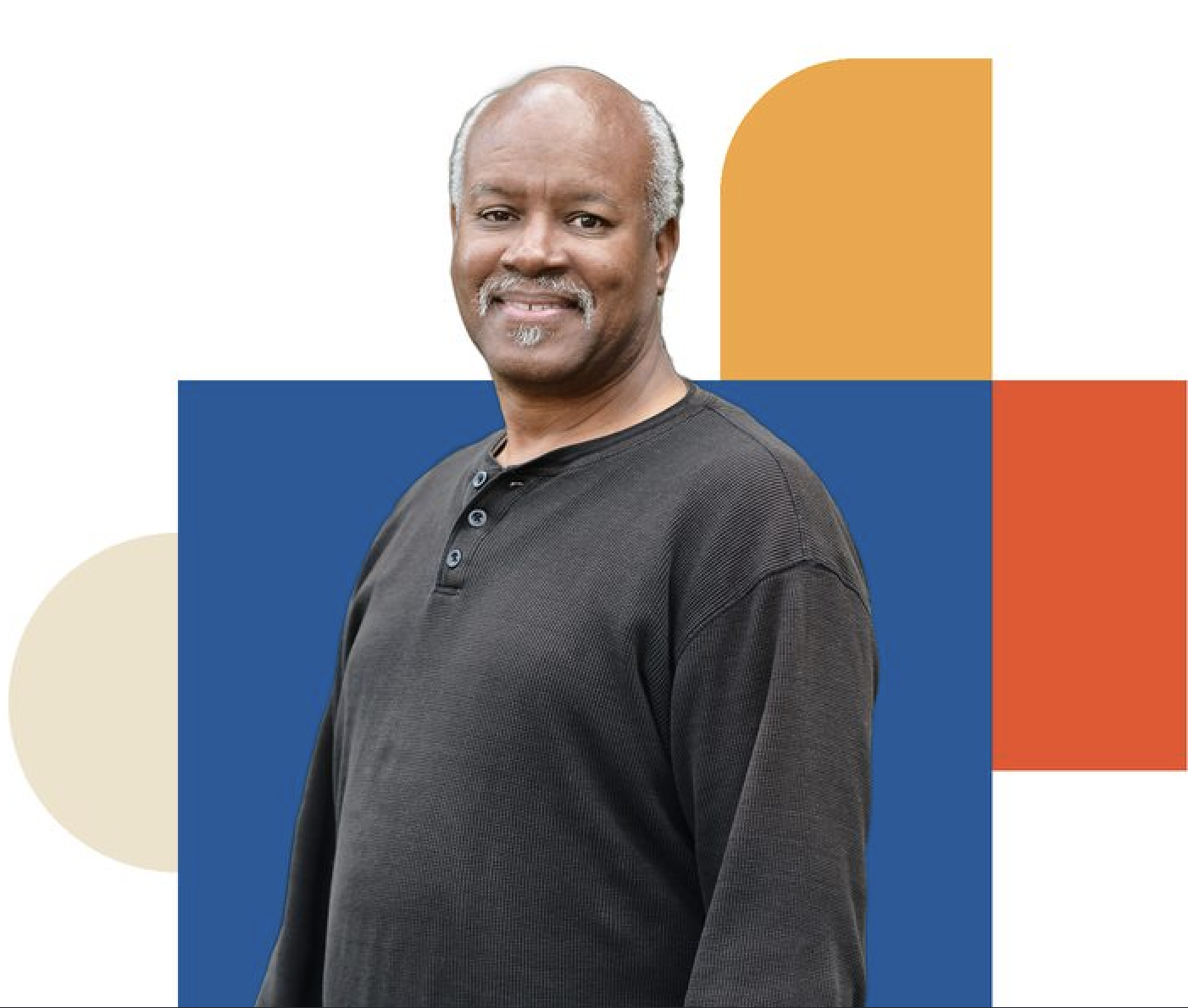
Known simply as Mr. Winston within the Thrive community, Randy Winston has become a familiar and trusted presence to generations of Scholars.
After 15 years as a talent search counselor with Volunteers of America, Mr. Winston crossed paths with Jim and Patricia London at Crenshaw High School in Los Angeles. The Londons were meeting with school administrators to explore ways to support high-achieving students from low-income backgrounds. Mr. Winston shared their conviction that these students deserved the opportunity not only to attend the country’s top colleges, but to thrive once there. That common vision laid the foundation for a partnership that would shape the future of their work.
Among the early moments that stayed with Mr. Winston was the story of a Crenshaw High School student who had been offered financial aid to attend UC Berkeley but still faced a significant financial gap. The Londons stepped in to cover the difference. The following year, they returned to Crenshaw and helped 33 students, marking the beginning of South Central Scholars.
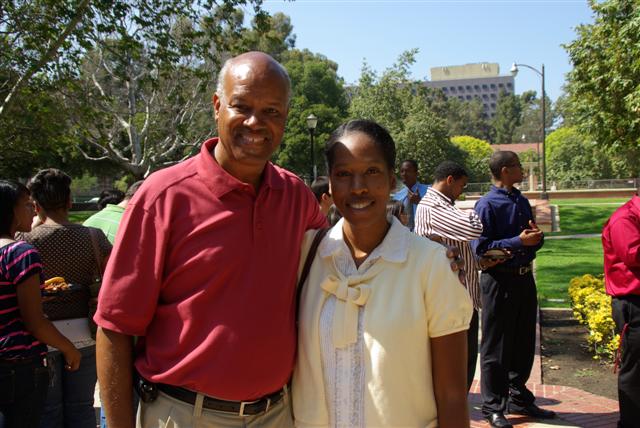
Mr. Winston initially joined the organization as a board member, helping identify students who could benefit from the program. In 2006, he became its first full-time employee. In those early days, South Central Scholars was housed in the Londons’ office, where Jim practiced as an orthopedic surgeon. Mr. Winston remembers it as a “mom and pop shop,” with a small team working toward a big vision. He recalls many conversations with the Londons about the possibility of reaching students beyond Los Angeles. Those early conversations gradually took shape, eventually extending to Boston in 2014 with the formation of Noonan Scholars, a sister organization to South Central Scholars.
As the organization grew, so did its understanding of what students needed to succeed. Getting into a top college was only the beginning; Scholars also needed the preparation and support to thrive once they arrived. This led to the development of Summer Academy, which equips students with the college-level skills in math, writing, and critical thinking to hit the ground running from day one.
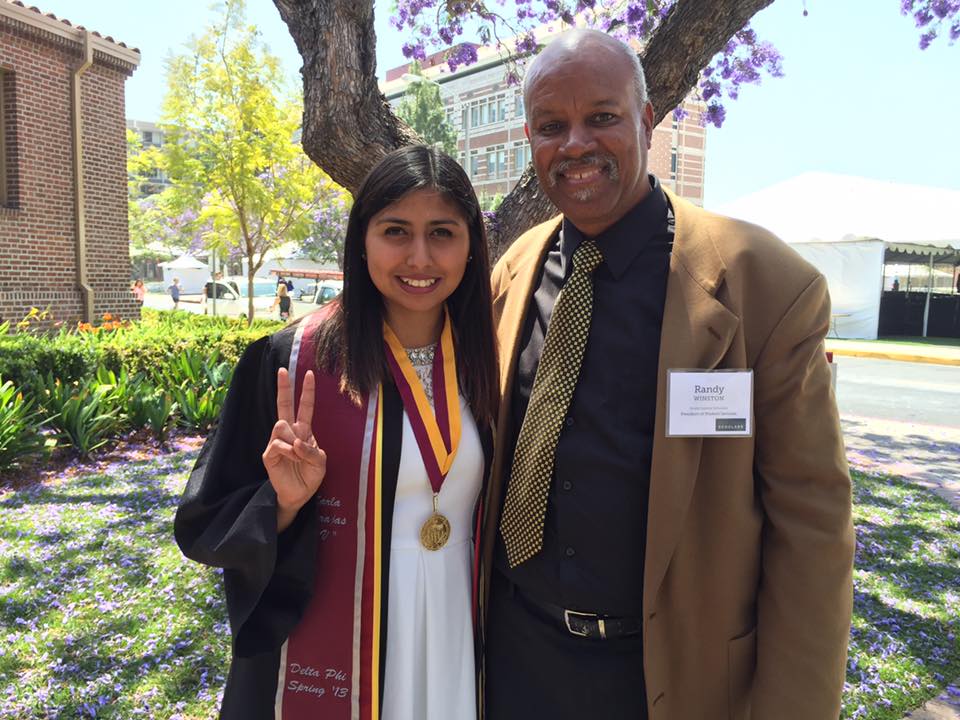
Seeing that early vision become a reality has been a dream realized for Mr. Winston. For many years, he was the organization’s only employee. Today, Thrive has grown into a national organization with more than 60 employees and seven regional hubs across the country, working together to advance its six-year program. He has witnessed firsthand how dedicated teams focused on college access, college success, career development, and fundraising have strengthened the organization’s ability to serve more Scholars. Sustaining and building on that foundation, he believes, will be essential to expanding Thrive’s impact over the next 25 years.
“The proof is in the pudding,” Mr. Winston says. He points to Scholars launching careers after college that create new possibilities for themselves and their families. Thrive graduates earn nearly double their families’ income, offering a tangible measure of the program’s long-term impact.
For Mr. Winston, though, the impact has always been about more than numbers. Helping Scholars and their families see what is possible has been deeply personal. He says he lives vicariously through the success of Thrive Scholars, finding joy in watching students reach milestones and in being a reassuring voice when they encounter challenges. He describes the work as a “labor of love,” and says one of the most rewarding parts is simply getting to know the Scholars.
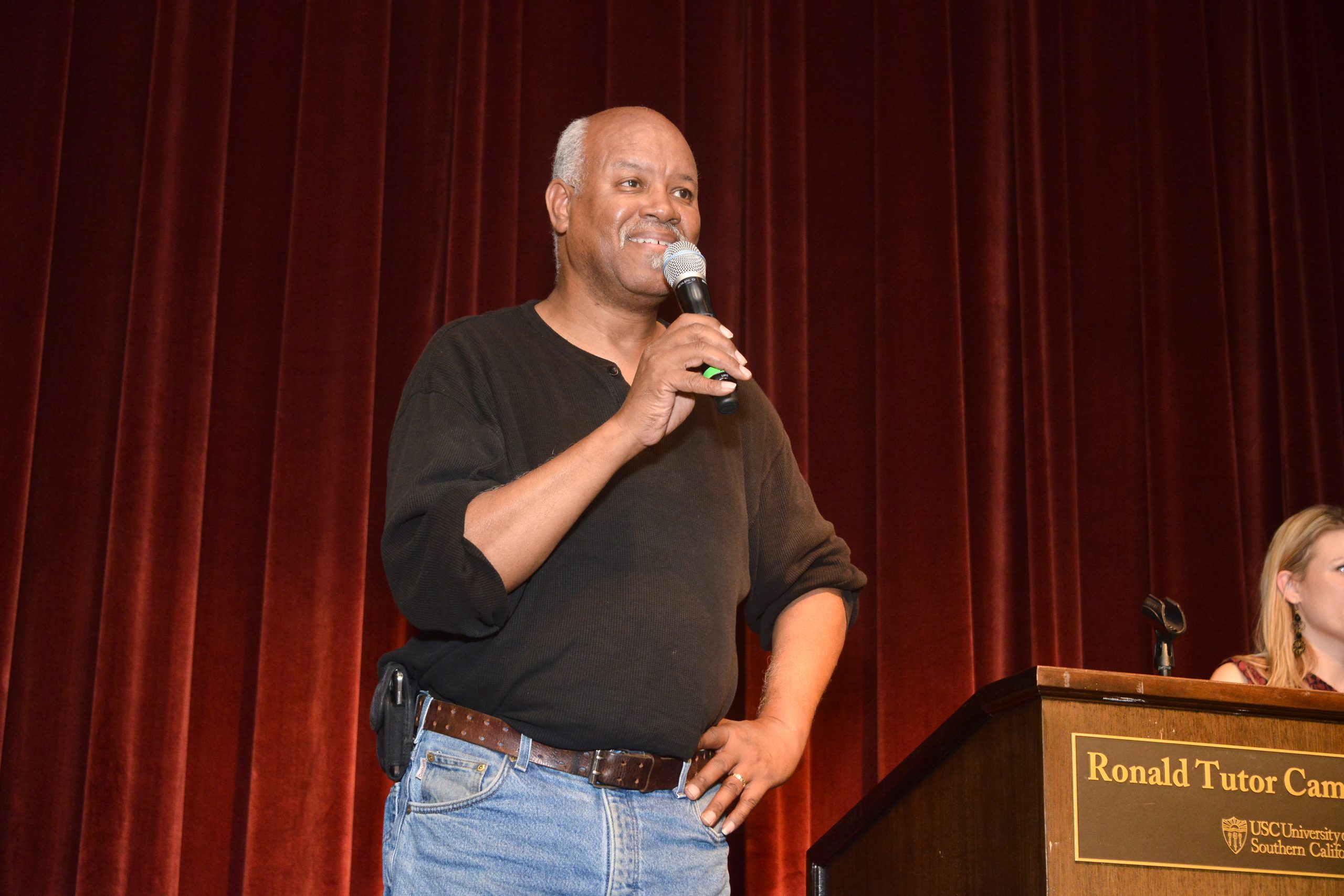
Ask around Los Angeles, and Mr. Winston’s name carries weight well beyond Thrive.
Mr. Winston is someone who truly embodies everything he says he is. You see it in his work, but you also see it in the broader Los Angeles community. He is a legend beyond a legend. You can mention his name, and everyone knows him.
Erica Privott
Twenty-five years later, Mr. Winston’s belief remains the same. Talented young people deserve the opportunities to go as far as their abilities and ambitions can take them, regardless of their circumstances. For him, the work has always come down to helping Scholars see what is possible and giving them the support to get there. As he puts it, it’s about “bringing one along.”